Tamchog Lhakang
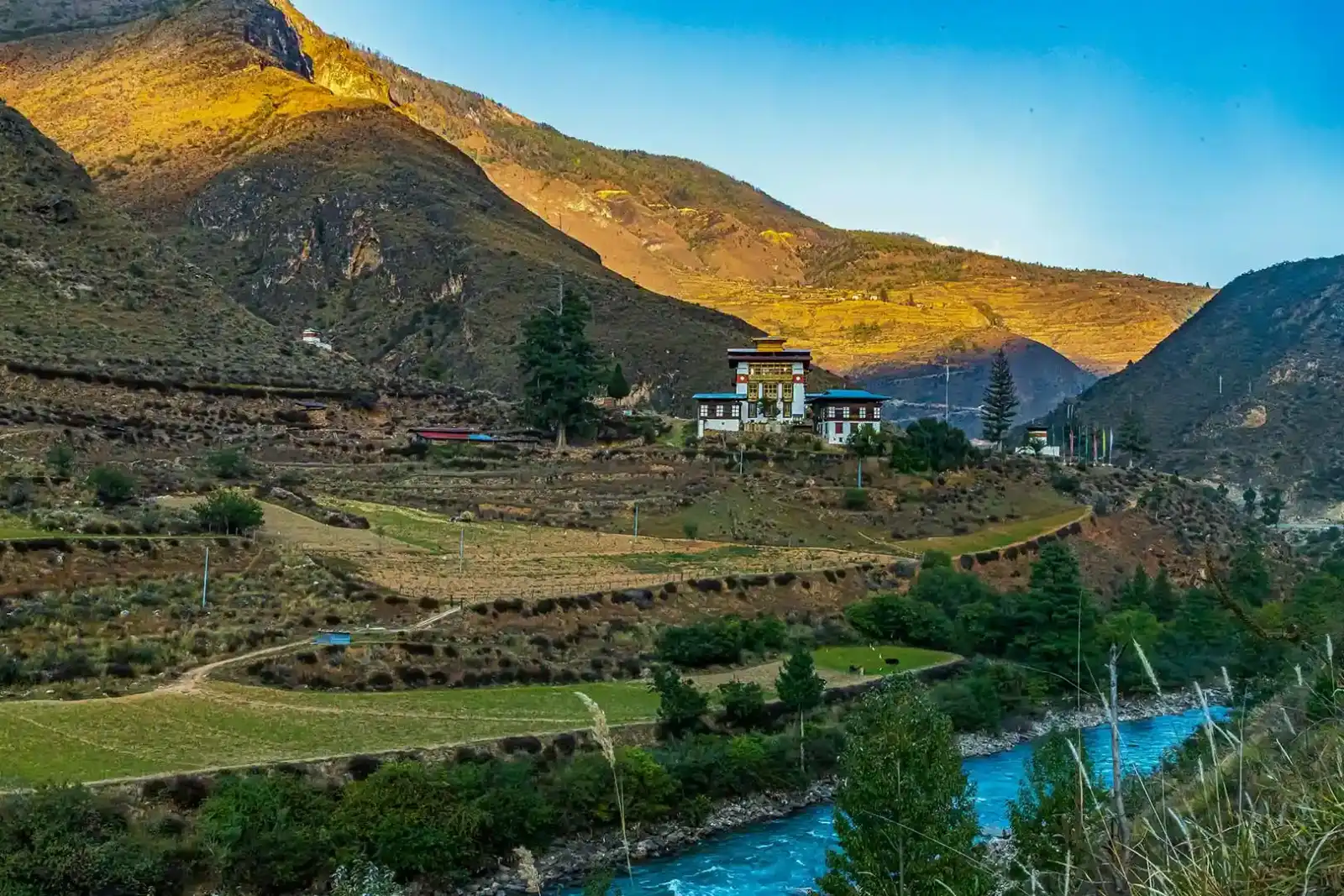
Gazing out across the Pa Chhu River from the Paro-Thimphu highway, one encounters Tamchog Lhakang, an enduring testament to Bhutanese heritage. This iron-chain bridge and temple complex were established in the early 15th century by Thangtong Gyalpo, the revered 'Iron Bridge Builder,' whose ingenious engineering graces several valleys. Visitors embark on a brief, picturesque walk to traverse the ancient swaying chains, a truly immersive link to medieval craftsmanship. The serene temple, nestled amidst verdant hills, offers a tranquil sanctuary for reflection and prayer. Its vibrant frescoes and ancient relics provide a glimpse into centuries of spiritual devotion, all enveloped by the gentle murmur of the river below and the majestic Himalayan foothills ascending in the distance.
Sand Mandalas Workshop
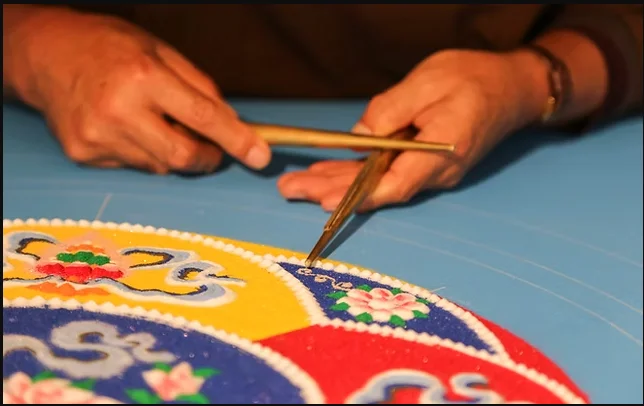
Immerse yourself in the profound spiritual heritage of Bhutan through the meditative art of sand mandala creation. Guided by expert practitioners within the serene confines of a traditional monastery or private atelier, you will explore the intricate geometry and symbolic depth of these ephemeral masterpieces. Each grain of colored sand is meticulously placed, embodying the Buddhist philosophy of impermanence and mindfulness. This rare, contemplative workshop offers a singular opportunity to engage with Himalayan wisdom, inviting a sense of deep tranquility and artistic fulfillment. It is a sophisticated cultural encounter designed for those seeking to connect with the sacred heart of the Dragon Kingdom.
Gangtey Nature Trail
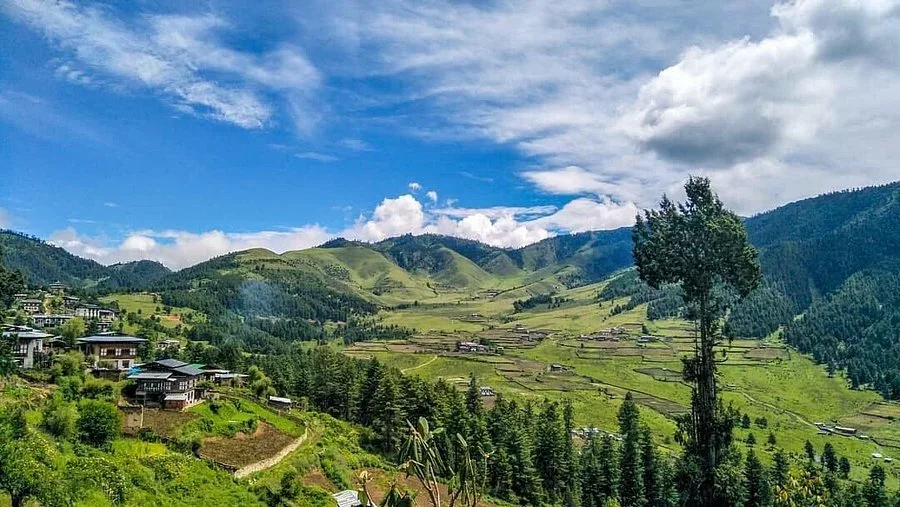
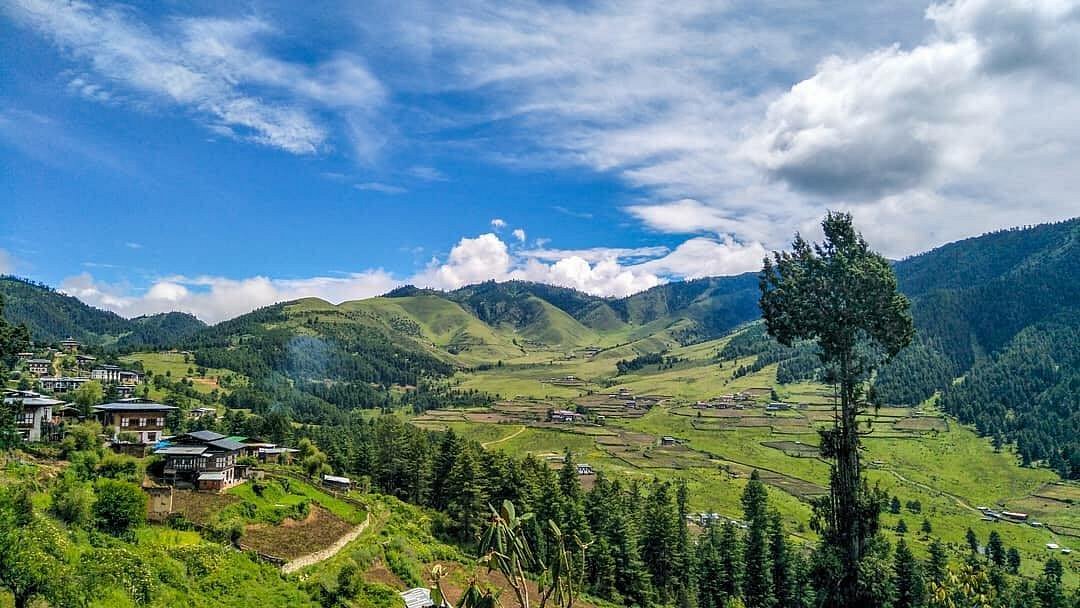
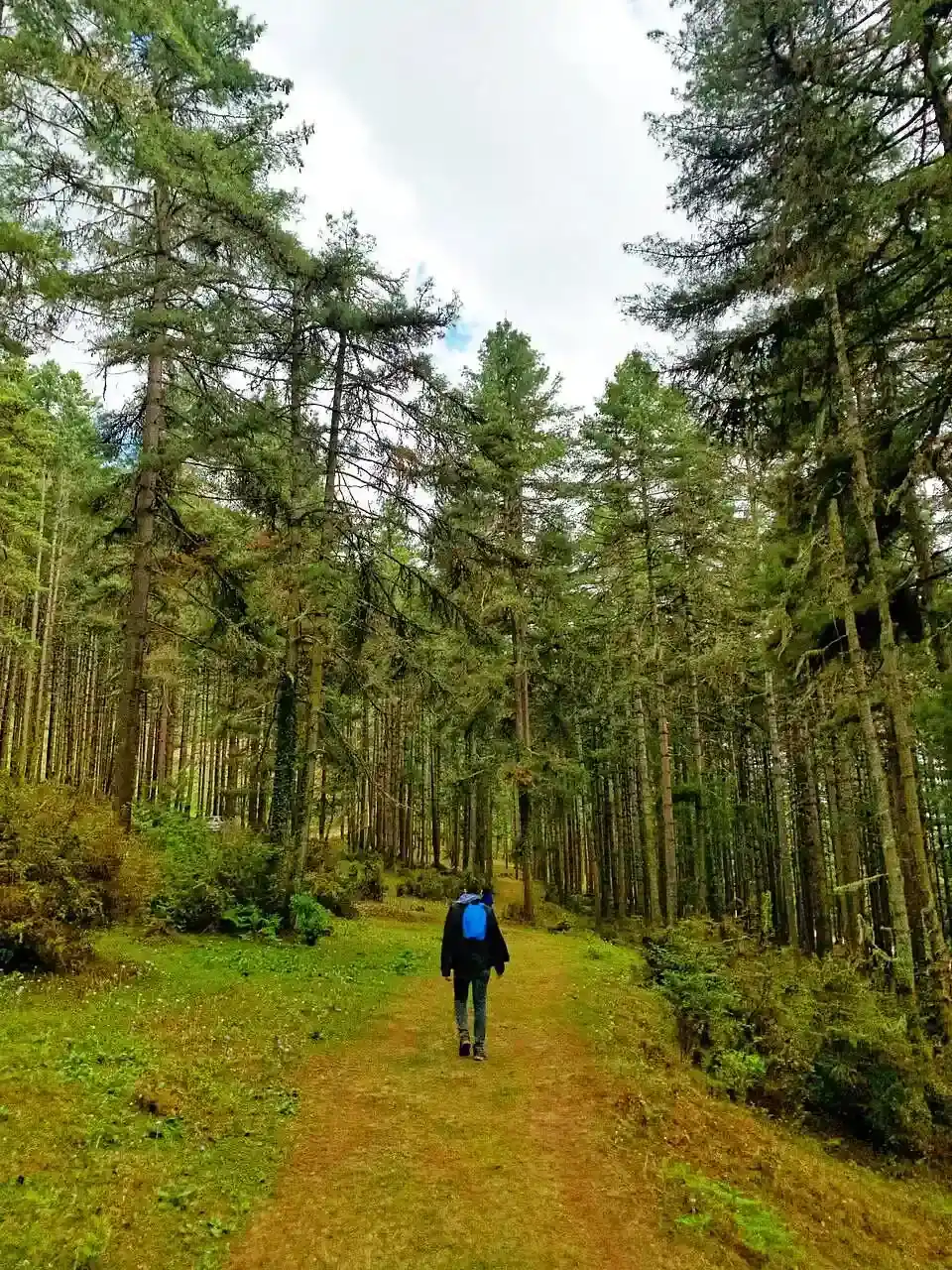
The Gangtey Nature Trail, nestled in Bhutan's Phobjikha Valley, offers a tranquil immersion into one of the country's most pristine landscapes. This approximately 1.5-hour, gentle trek meanders through a mosaic of dwarf bamboo and pine forests, providing panoramic vistas of the U-shaped glacial valley below. It's a vital migratory home for the endangered Black-necked Cranes, whose graceful presence deeply enriches the valley’s cultural and ecological significance from late autumn to early spring. The trail culminates near Gangtey Gonpa, a venerable 17th-century monastery, allowing for a seamless transition from natural splendor to spiritual heritage. Visitors experience the profound serenity of a protected wetland, listen to the rustling breeze, and witness remnants of traditional rural life. The easy accessibility and breathtaking scenery ensure a memorable encounter with Bhutan’s unspoiled heartland.
Farmers Market
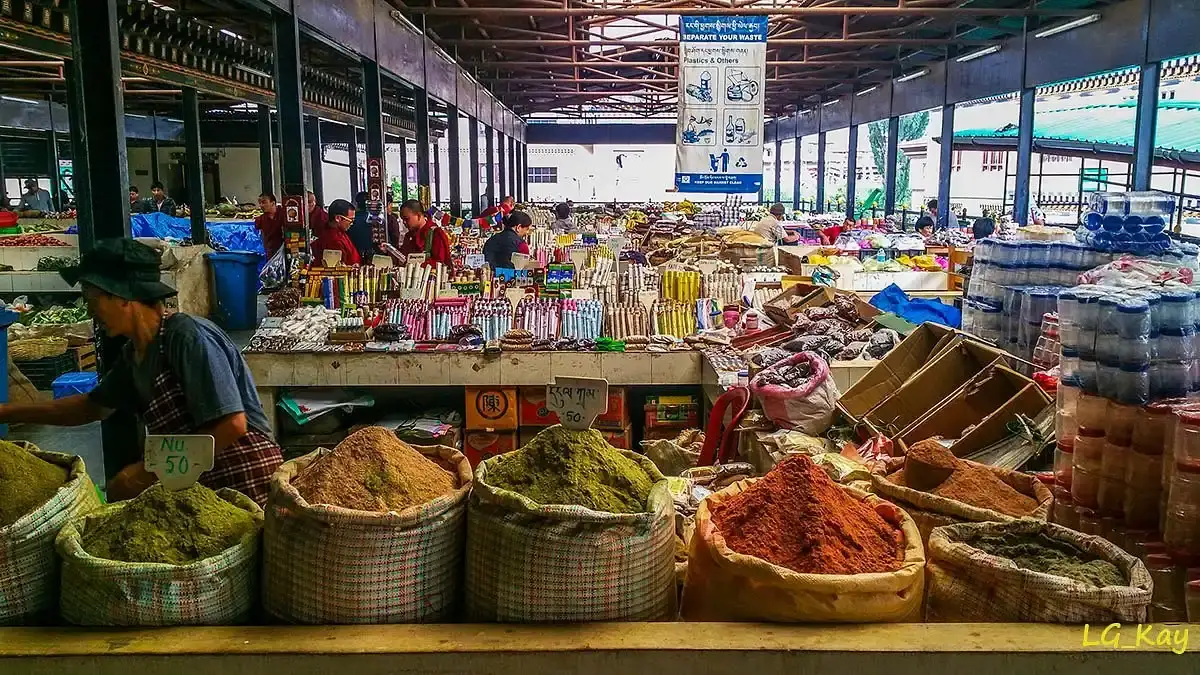
Nestled beside the Wang Chhu River, the Centenary Farmers Market is Thimphu’s vibrant nexus of local produce and daily life. This bustling market is more than just a place to shop; it's a profound reflection of Bhutanese agricultural heritage and community spirit. Here, visitors encounter a kaleidoscope of seasonal fruits, organic vegetables, and traditional spices, each stall a testament to the nation's commitment to sustainable farming. Signature features include the meticulously stacked chilies, a staple of Bhutanese cuisine, and the handcrafted artisanal goods sold by local vendors. The atmosphere hums with friendly bartering and the fragrant aroma of fresh harvest, offering an authentic glimpse into the rhythms of rural Bhutanese culture within the capital.
Daphne Paper Making
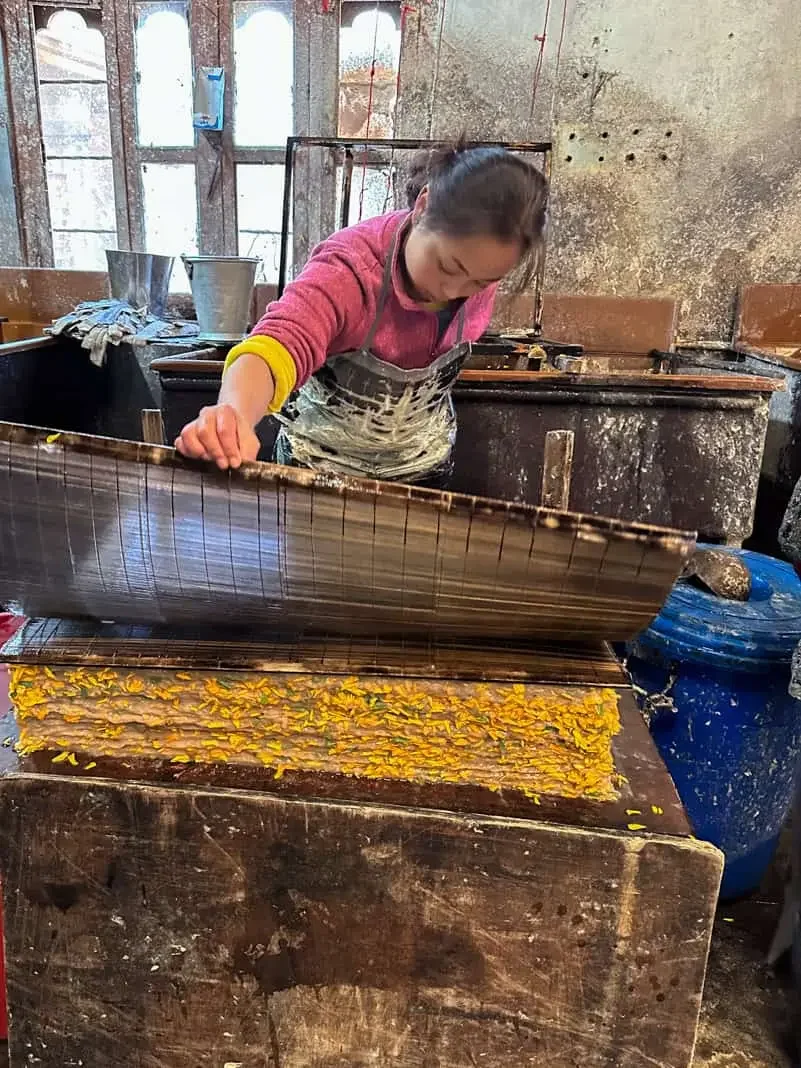
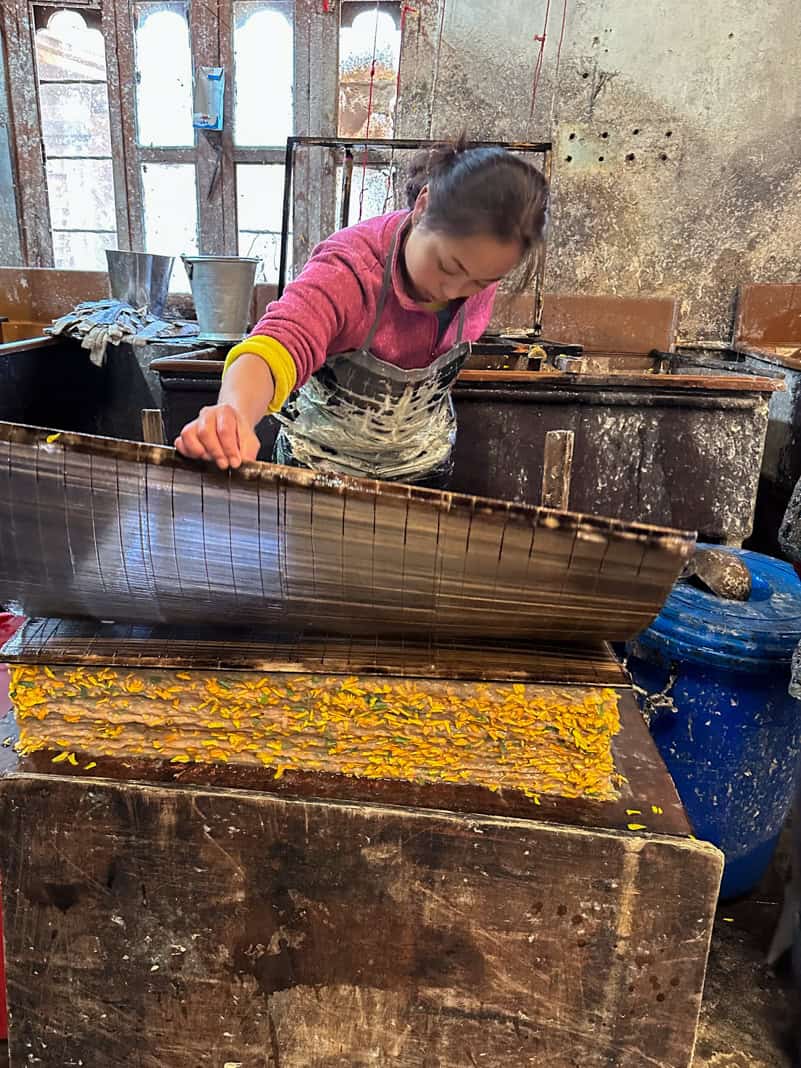
Immerse yourself in the ancient art of papermaking at Daphne Paper Making, nestled within Bhutan's Jungshi Handmade Paper Factory in Thimphu. This cultural immersion offers a rare glimpse into a craft treasured for centuries, producing the distinctively durable Dehsho paper. Here, guests witness firsthand the meticulous process of transforming Daphne bark – a sustainable resource – into exquisite, natural fiber sheets. From pulping and straining to pressing and drying, each step reveals the heritage and skill of Bhutanese artisans. The factory, surrounded by the serene Bhutanese landscape, provides a tranquil setting for this enriching experience, connecting visitors intimately with a vital piece of the kingdom's artistic legacy. This hands-on encounter transcends a mere demonstration, offering a profound appreciation for Bhutan’s commitment to preserving traditional crafts.
Motithang Takin Preserve
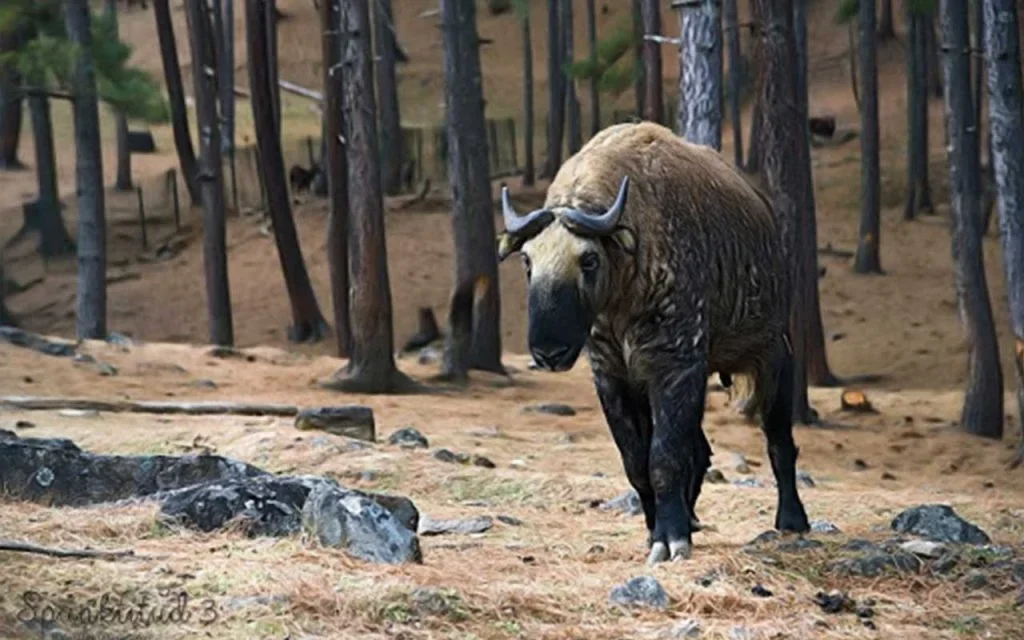
Nestled in the upper reaches of Motithang, the Takin Preserve offers a unique glimpse into Bhutan’s natural heritage. This enclosed sanctuary is dedicated to the takin, Bhutan's national animal, a creature of intriguing biology with a head resembling a goat and the body of a cow. Visitors can observe these rare, shy animals as they graze peacefully in their spacious, forested enclosure. The preserve also houses a small collection of sambar and barking deer, adding to the biodiversity experience. Its location provides a serene escape, surrounded by pristine Himalayan forests, making for a tranquil and educational outing. This intimate encounter with Bhutanese wildlife underscores the nation's profound commitment to conservation.
Hike to Tiger’s Nest Monastery (Paro Taktsang)
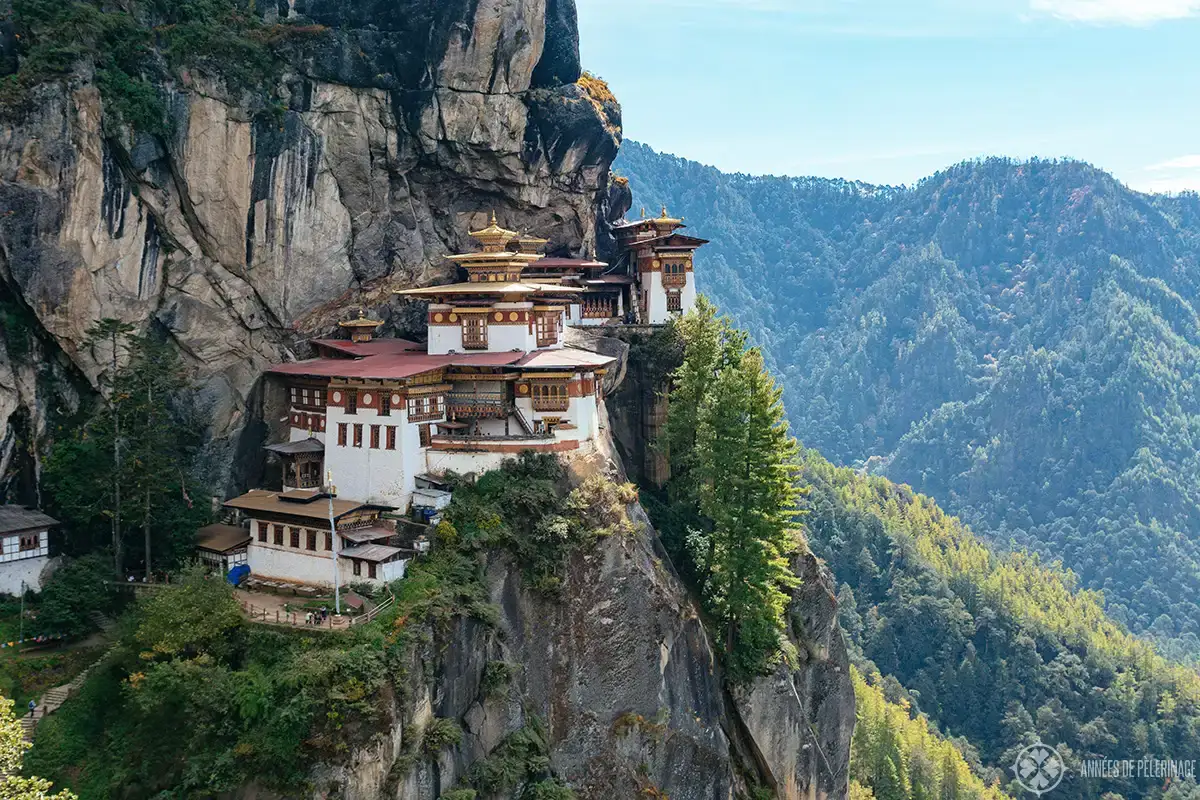
The pilgrimage to Paro Taktsang, more famously known as Tiger's Nest Monastery, is a journey into Bhutan's spiritual heart. Perched precariously on a cliffside, nearly 3,000 feet above the Paro Valley, this sacred site embodies centuries of Buddhist devotion and architectural mastery. As you ascend the winding trail, prayer flags flutter in the breeze, and panoramic views of verdant forests and distant peaks unfold, building a profound sense of anticipation. Reaching the monastery, you're greeted by a complex of temples and chambers, where Guru Rinpoche is said to have meditated in the 8th century, arriving on the back of a flying tigress. The ethereal atmosphere within, steeped in incense and ancient chants, culminates in an unforgettable encounter with Bhutanese heritage. This iconic trek offers not just breathtaking scenery, but a deeply moving spiritual experience.
Gangtey Monastery
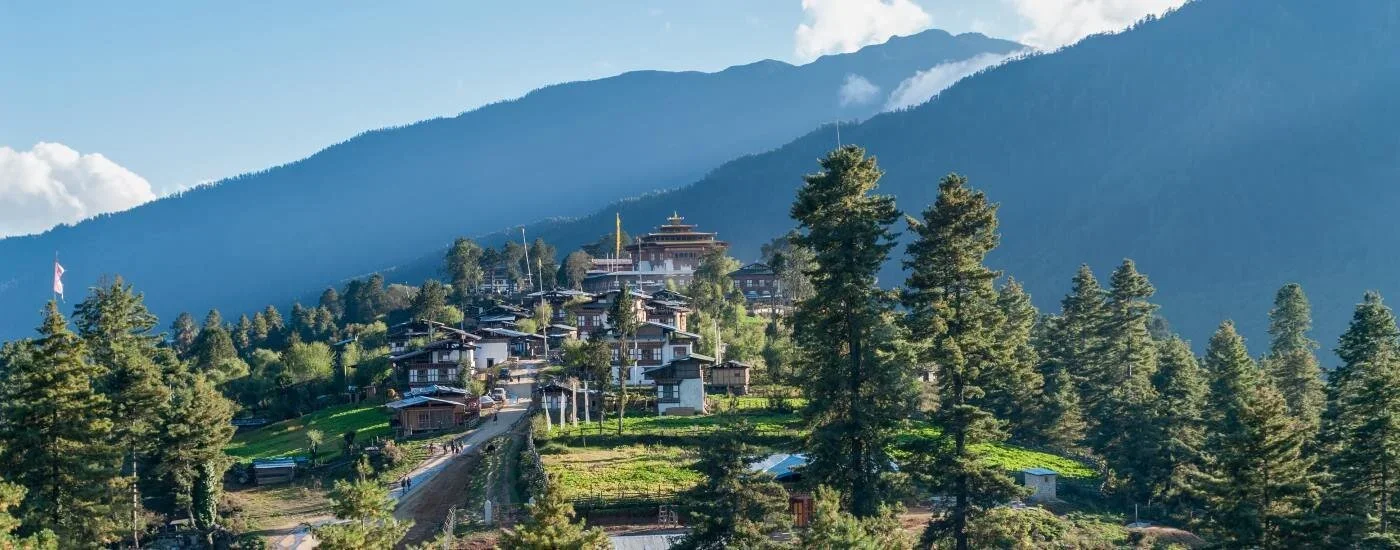
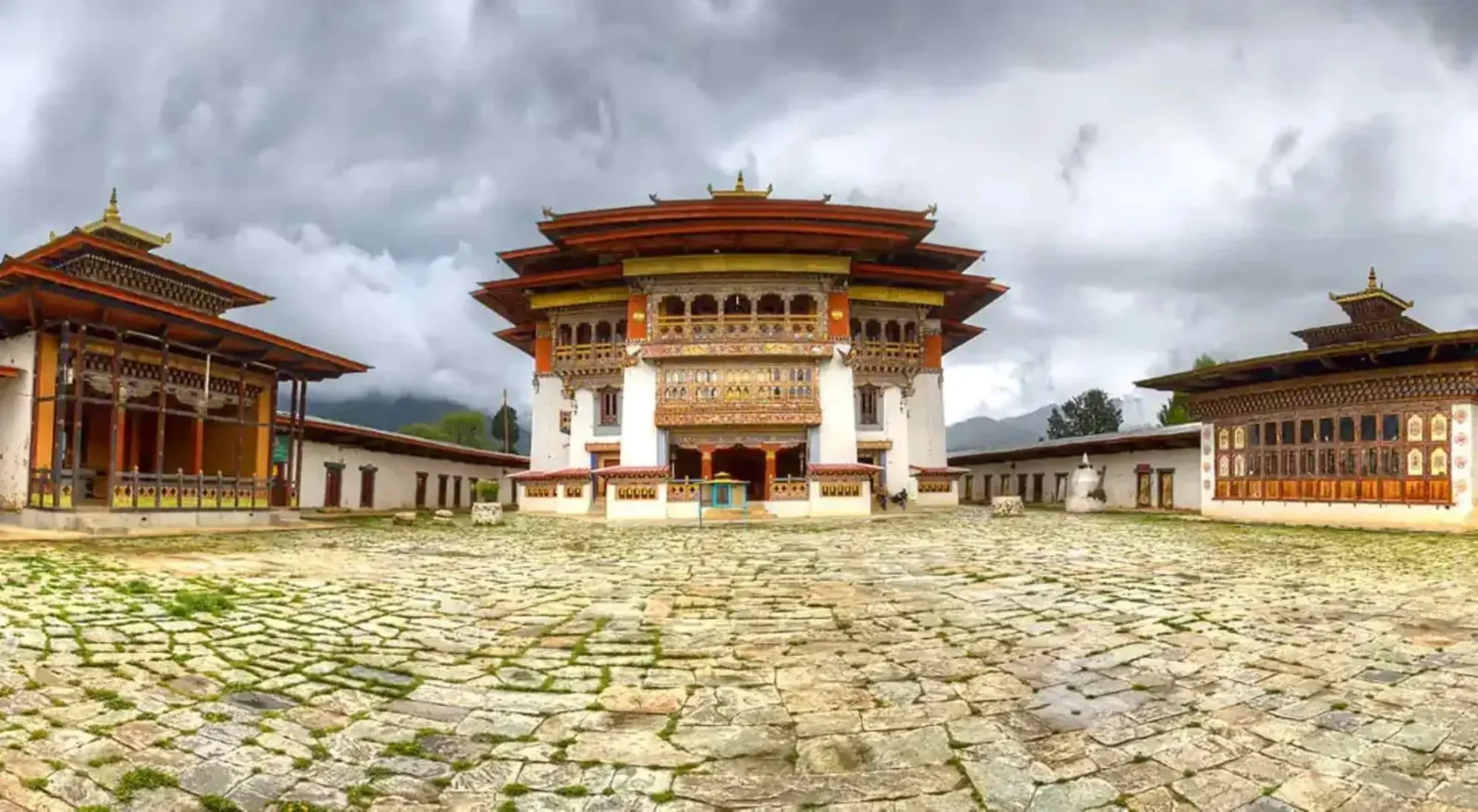
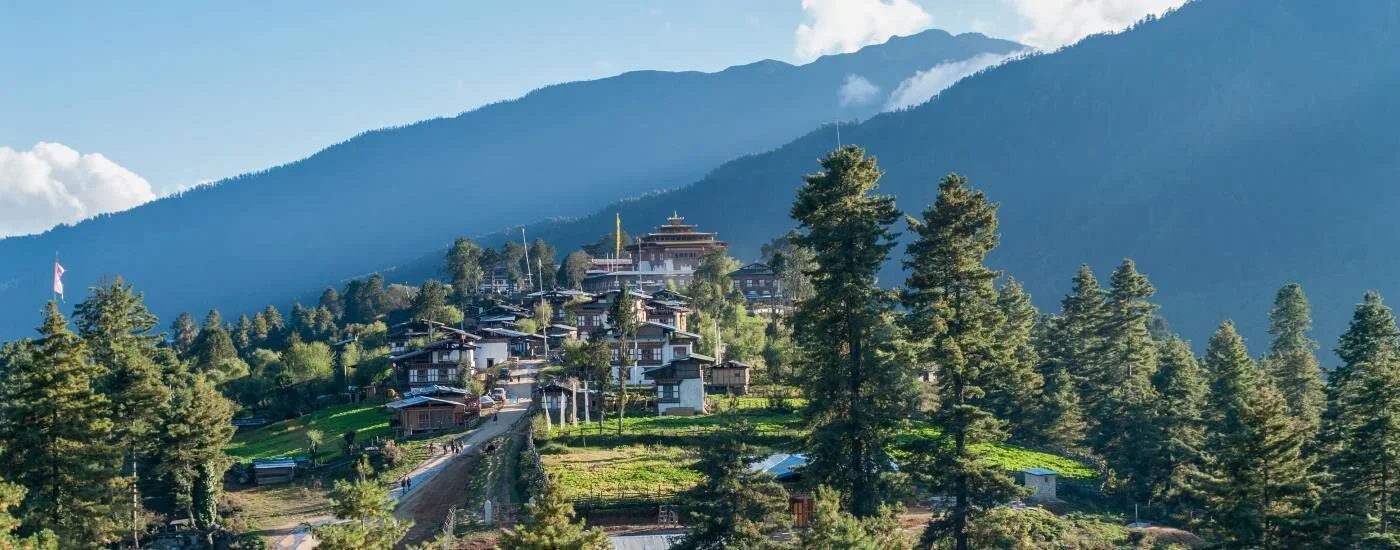
Perched majestically at the head of the Phobjikha Valley, Gangtey Monastery is a pivotal monastic complex in Bhutan, serving as the seat of the Pema Lingpa tradition of Nyingmapa Buddhism. This venerable institution, dating back to the 17th century, is renowned for its significant spiritual authority and stunning architecture, distinguished by intricate artwork and vibrant murals adorning its expansive lhakhangs. Visitors are enveloped in a profound sense of peace and history as they explore its prayer halls and courtyards, where the hushed chants of monks often drift through the rarefied air. The monastery also plays a crucial role in safeguarding the valley's delicate ecosystem, particularly as the winter home of the rare Black-necked Cranes. Its elevated position offers breathtaking panoramic views of the glacier-carved valley, enriching the spiritual journey with unparalleled natural beauty.
Sangchhen Dorji Lhuendrup Nunnery
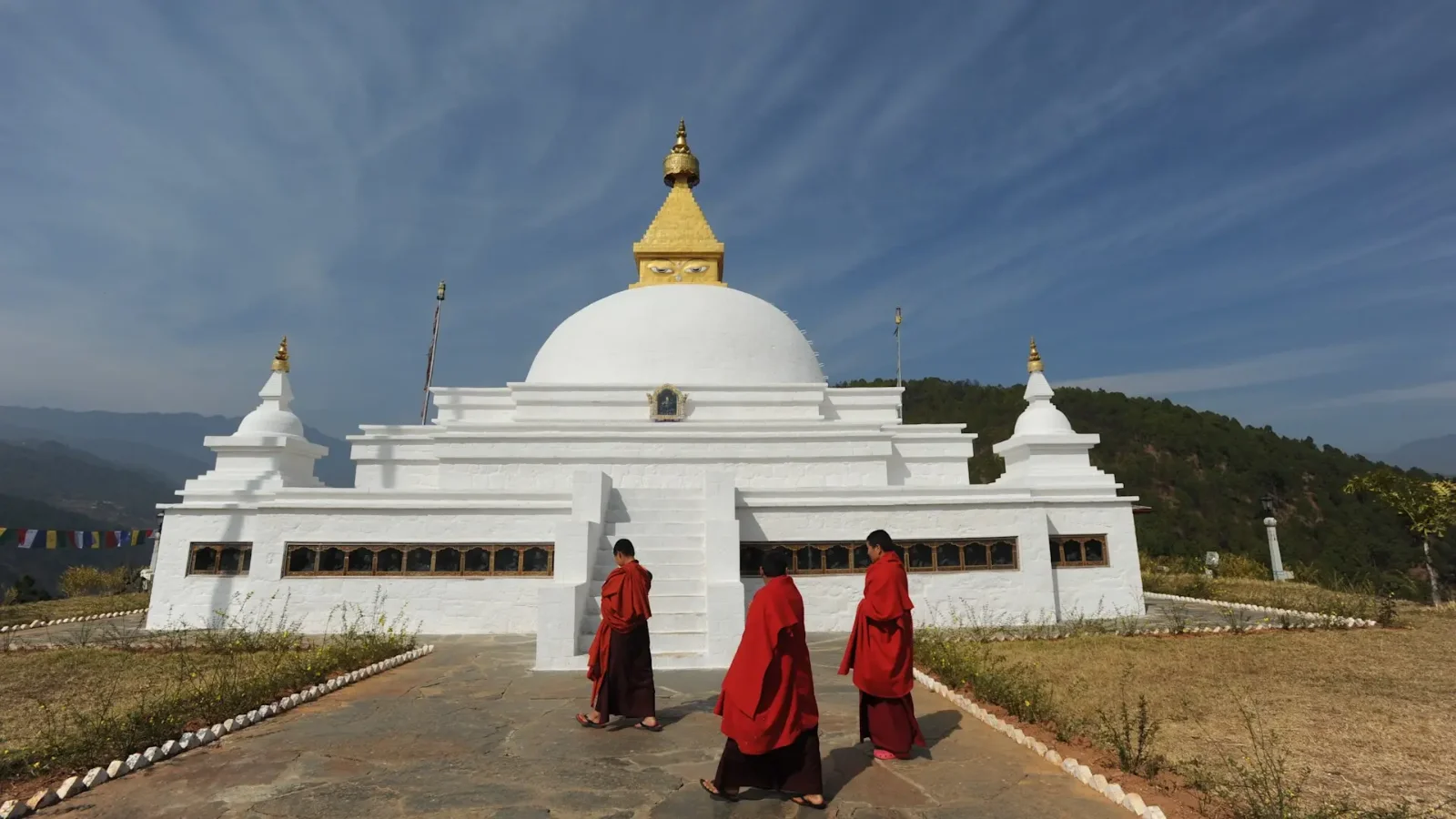
Perched majestically overlooking the Punakha Valley, Sangchhen Dorji Lhuendrup Nunnery offers a profound glimpse into Bhutanese spiritual life. This prominent Buddhist institution, consecrated in 2010 by His Holiness the Je Khenpo, houses a 14-foot bronze statue of Avalokiteshvara, a powerful symbol of compassion. Visitors are invited to witness the daily routines and prayers of the nuns, experiencing the tranquil devotion that permeates the site. The nunnery's exquisite architecture, featuring traditional Bhutanese carvings and paintings, provides a serene backdrop to the vibrant Buddhist practices. Its elevated position affords breathtaking panoramic views of the surrounding mountains and fertile valleys, fostering a sense of peaceful contemplation.
Bhutan Post Office Headquarters
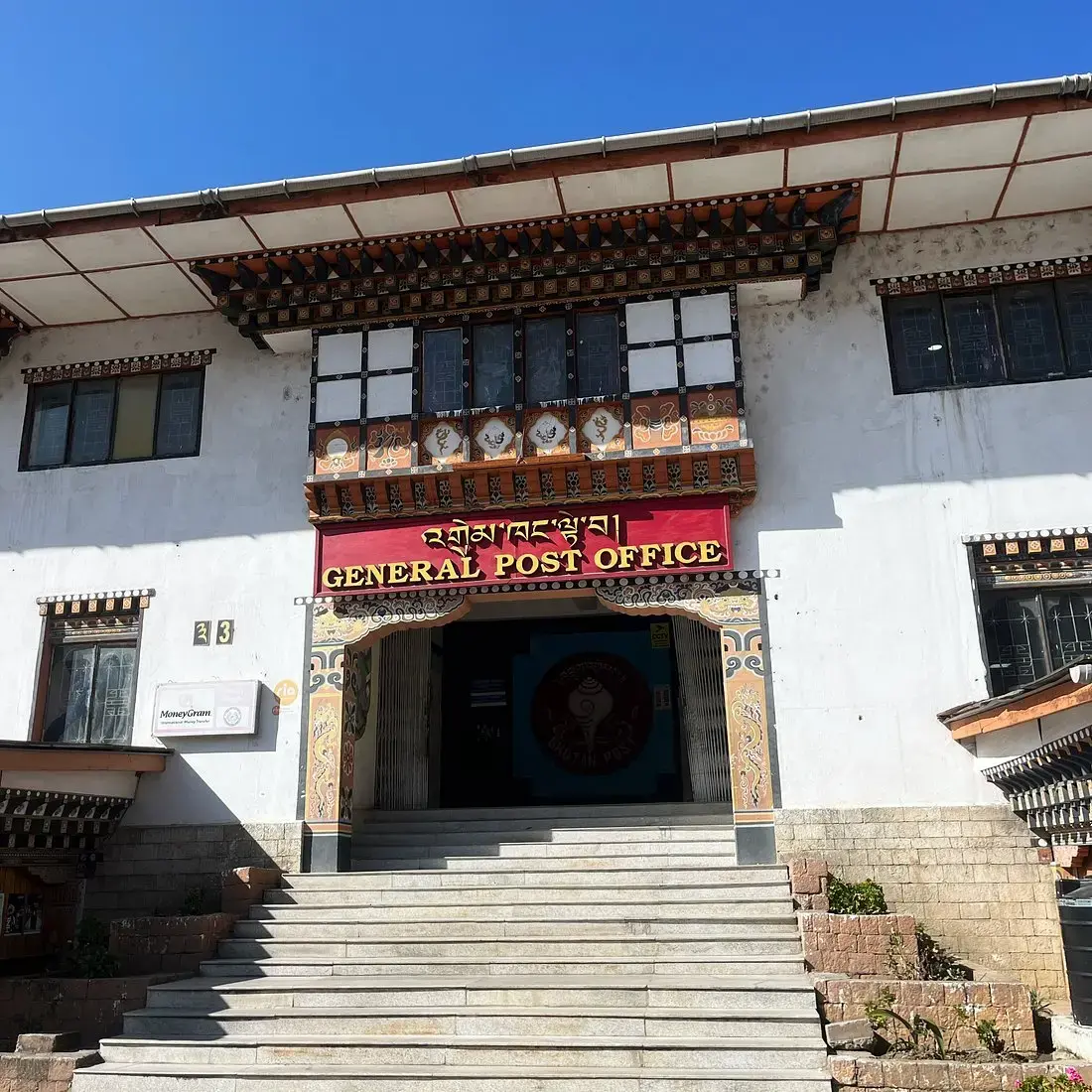
Step into the Bhutan Post Office Headquarters and encounter more than just its functional purpose. This vibrant institution, situated on Chang Lam, serves as a captivating gateway to Bhutanese culture through its remarkable philatelic offerings. Beyond sending and receiving mail, visitors can explore an extensive collection of unique stamps, celebrating the kingdom’s breathtaking landscapes, intricate traditions, and revered monarchs. The experience culminates in the truly personal touch of creating custom stamps featuring one's own photograph, a playful yet culturally significant souvenir. Surrounded by the gentle bustle of Thimphu, the post office offers a tangible connection to Bhutan's national identity, its history artfully encapsulated in miniature. It's a place where personal memories and the nation's story converge.
Buddha Dordenma (Shakyamuni Buddha)
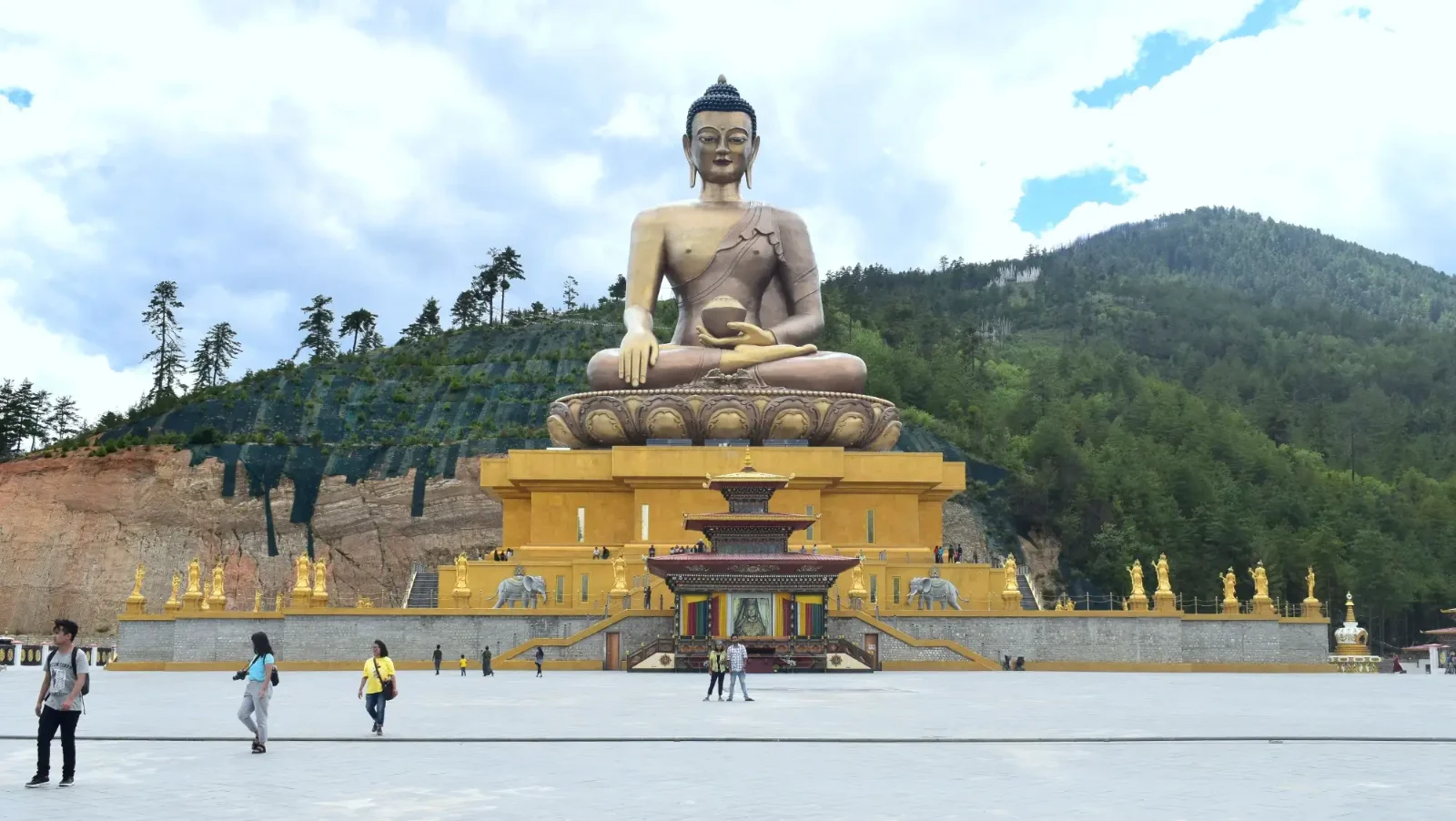
Perched majestically atop a hill overlooking the Thimphu Valley, the colossal bronze statue of Buddha Dordenma stands as a modern testament to Bhutan’s spiritual heritage. This gilded Shakyamuni Buddha, measuring an astounding 51 meters, embodies the prophecy foretold by Guru Padmasambhava in the 8th century, promising blessings of peace and prosperity. Visitors are immediately struck by its imposing presence, the intricate details of its craftsmanship, and the 125,000 smaller Buddha statues housed within its meditative interior. The expansive grounds of Kuensel Phodrang offer panoramic vistas of the surrounding Himalayan foothills and the tranquil capital below. It is more than a monument; it is a focal point of prayer, reflection, and a profound symbol of Bhutan’s unwavering devotion to Buddhist principles.
Phobjikha Valley / Gangtey
Nestled in the glacial heart of Bhutan, the Phobjikha Valley is a vast, U-shaped landscape, renowned as the winter roosting grounds for the endangered black-necked cranes. This pristine wetland, encompassing the historic Gangtey Monastery, offers a captivating tableau of nature's delicate balance and unwavering spiritual devotion. Visitors are embraced by an atmosphere of profound tranquility, witnessing the cranes gracefully forage in the marshlands against a backdrop of rolling hills and traditional farmhouses. The valley’s undisturbed beauty and monastic presence create a powerful sense of timelessness, reflecting Bhutan's deep reverence for both its natural heritage and ancient Buddhist traditions. It is a place where every vista tells a story, and every breath deepens one's connection to the unspoiled grandeur of the Himalayas.
Gangtey Village Visit
Immerse yourself in the authentic rhythms of rural Bhutan with a visit to Gangtey Village, nestled within the breathtaking Phobjikha Valley. This intimate experience offers a profound glimpse into local life, far removed from the modern world. Wander cobblestone paths, greeted by the genuine smiles of villagers, and witness traditional farming practices that sustain this serene community. The iconic Gangtey Goemba monastery, a 17th-century architectural marvel, stands majestically overlooking the valley, providing a spiritual anchor and stunning panoramic views. Discover a way of life steeped in tradition, where ancient customs and pristine nature harmoniously coexist amidst the dramatic Himalayan landscape.
Traditional Boot Factory
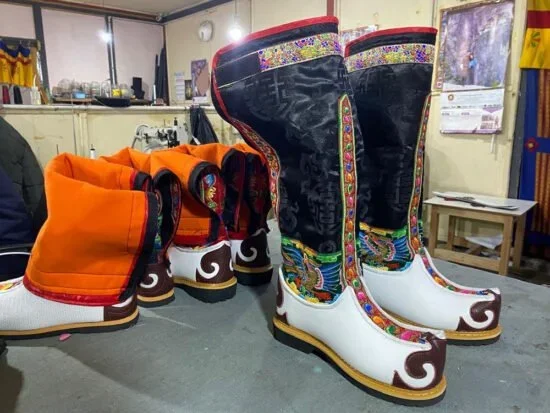
Nestled in Thimphu's artisanal heart, the Traditional Boot Factory offers a tangible link to Bhutan’s heritage. This family-run workshop, passed down through generations, upholds the ancient craft of creating the country's iconic knee-high boots. Visitors witness master craftsmen meticulously hand-stitching and shaping leather, a process that has remained largely unchanged for centuries. The factory's signature product, a sturdy boot designed for mountain terrain, speaks to Bhutan's rugged landscape and traditional attire. The air hums with the soft rhythm of tools and the scent of leather, immersing you in a world where practicality and artistry intertwine. It’s a remarkable insight into a craft vital to Bhutanese culture.
Rafing
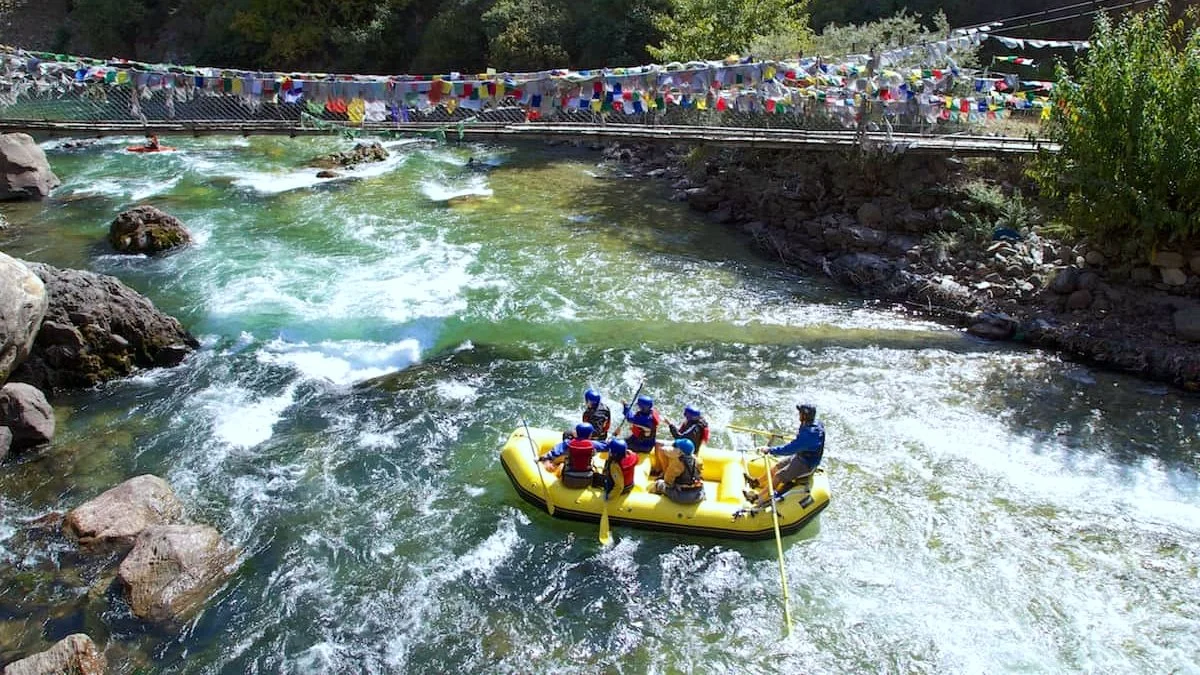
Rafting in Bhutan offers a unique perspective on the Kingdom's pristine environment and deep-rooted spirituality. Descending glacial-fed rivers, such as the Mo Chhu and Pho Chhu, participants navigate currents that carve through valleys scarcely touched by modernity. This isn't merely an adrenaline pursuit; it's a journey through landscapes where ancient monasteries perch precariously on cliffsides, and prayer flags flutter in the gentle breeze. The crystal-clear waters reflect forested slopes and distant snow-capped peaks, creating an immersive panorama of Bhutan's natural grandeur. Along the journey, one encounters traditional farmhouses and glimpses of local life, fostering a profound connection to the land and its people. This intimate encounter with Bhutanese nature emphasizes conservation and respect for the environment, hallmarks of the nation's Gross National Happiness philosophy.
Punakha Suspension Bridge
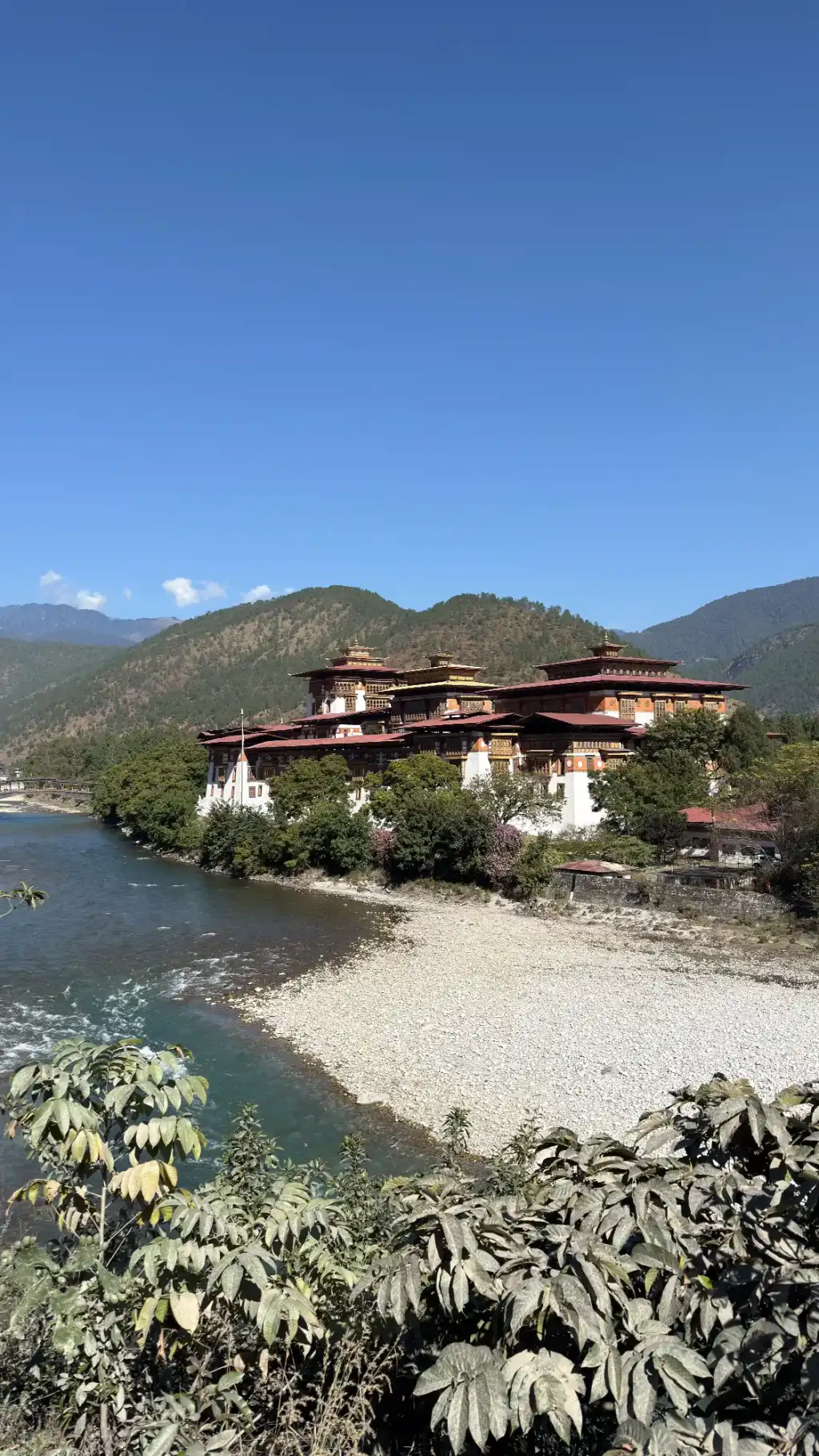
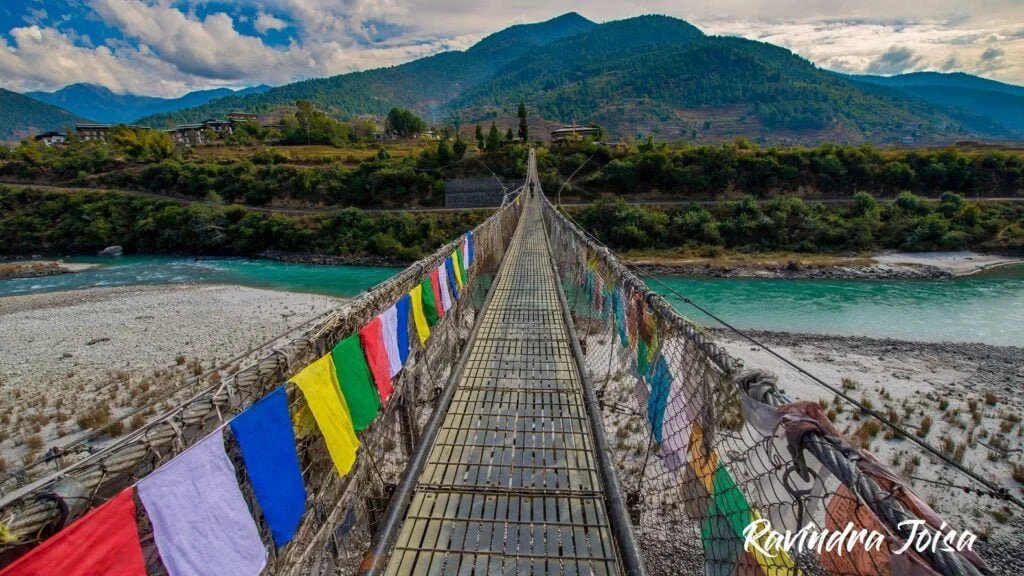
Spanning the powerful Po Chhu river, the Punakha Suspension Bridge offers more than just passage; it’s a living link to Bhutan’s intricate history and present-day reverence for nature. This remarkable pedestrian bridge, one of the longest in Bhutan, sways gently as visitors cross, providing panoramic vistas of the lush, forested valley and the majestic Punakha Dzong in the distance. Prayer flags flutter rhythmically, whispering ancient blessings into the crisp mountain air, creating a serene and spiritual atmosphere. Beyond its engineering marvel, the bridge serves as a vital connection for local communities and a poignant reminder of human ingenuity in harmony with the breathtaking Himalayan landscape. It's a place where natural beauty, cultural tradition, and a sense of profound tranquility converge.
Traditional Hot Stone Bath
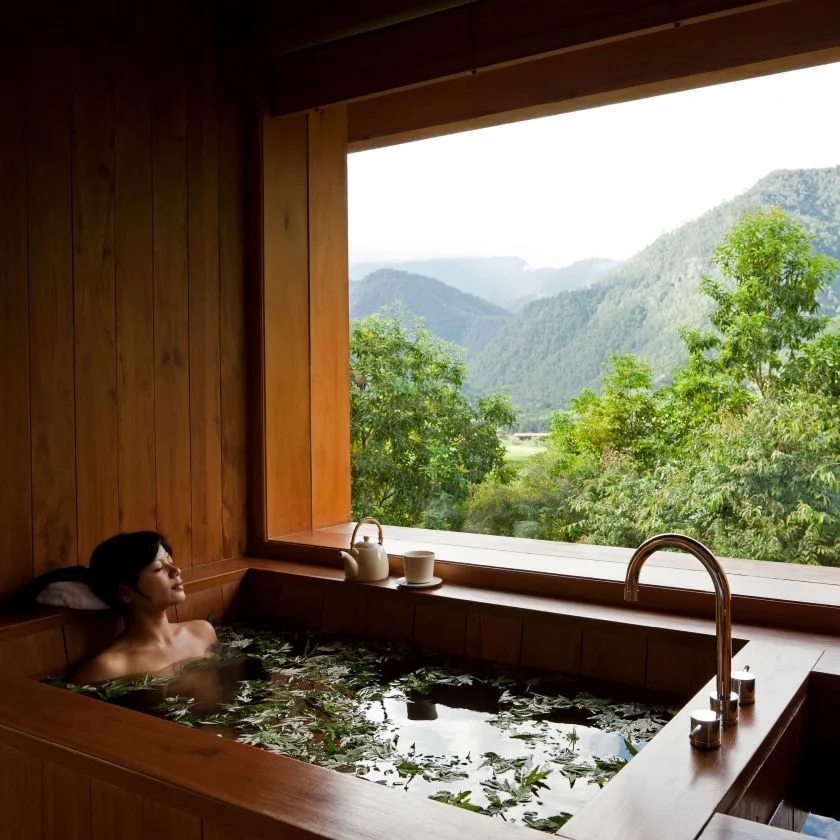
Immerse yourself in a centuries-old Bhutanese healing ritual with a traditional Dotsho, or hot stone bath. This therapeutic experience centers on river stones roasted in an open fire until glowing, then submerged into a fragrant wooden chamber filled with mineral-rich spring water and medicinal Khempa herbs. As the stones release essential minerals and gentle heat, tension dissolves, promoting deep circulation and muscle relief. Set against a backdrop of serene Himalayan vistas, this meditative practice offers a profound connection to Bhutan’s heritage. It is the ultimate restorative sanctuary for the soul, providing a tranquil conclusion to a day of mountain exploration.
Khamsum Yulley Namgyel Chorten
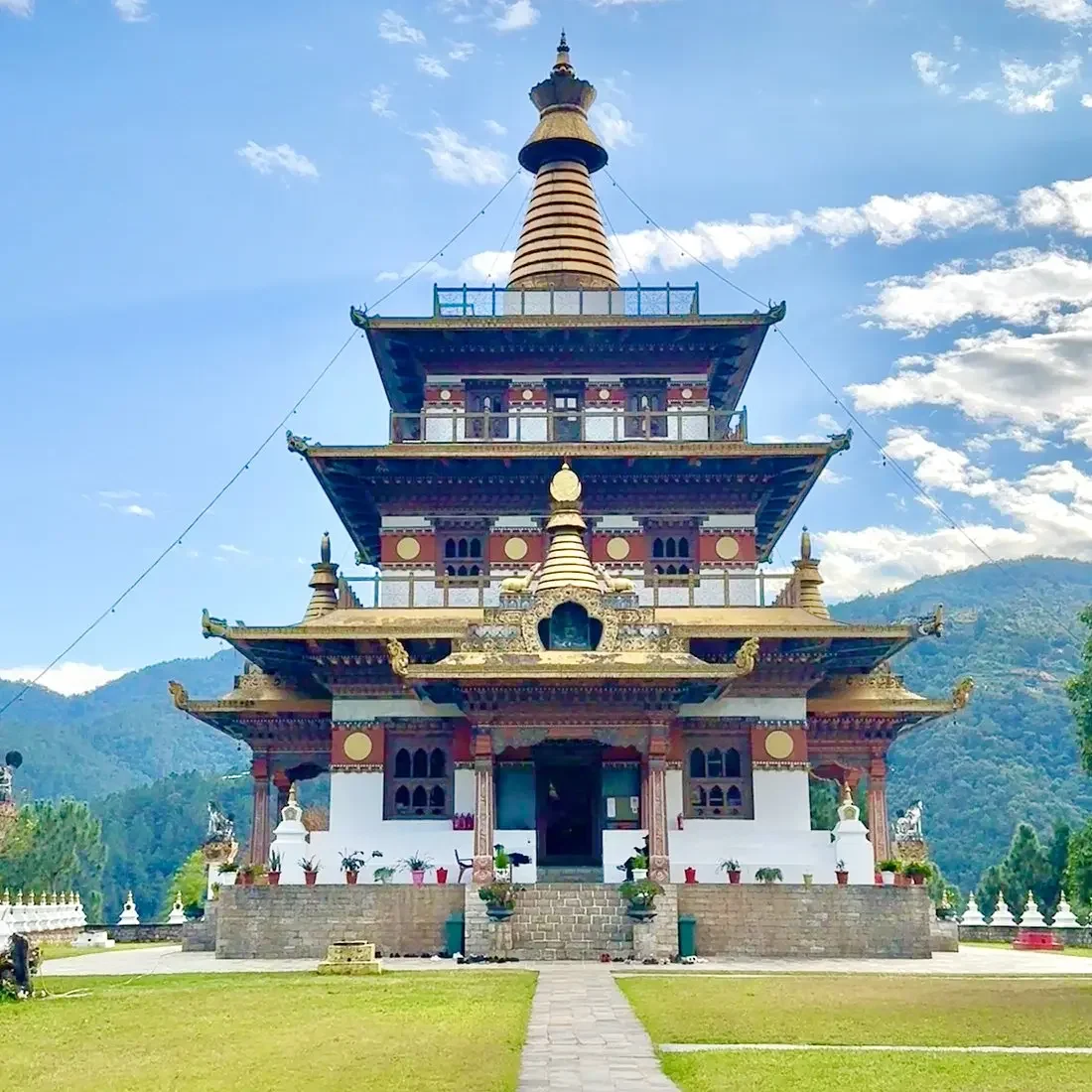
Perched majestically on a ridge overlooking the Punakha valley, the Khamsum Yulley Namgyel Chorten stands as a testament to Bhutanese faith and artistic prowess. This elaborate temple, built to ward off negative forces and promote peace, offers a profound spiritual immersion. Visitors ascend a scenic path through rice paddies, culminating in breathtaking panoramic views of the verdant landscape below. Within its three floors, meticulously carved sculptures and vibrant mandalas depict tantric deities and Buddhist teachings, each detail crafted to inspire contemplation and devotion. The Chorten's gilded spire gleams against the sky, a beacon of tranquility amidst the serene Himalayan foothills. It embodies the nation's profound commitment to spiritual well-being and its rich cultural heritage.
Aman Thimphu (Amankora Thimphu)
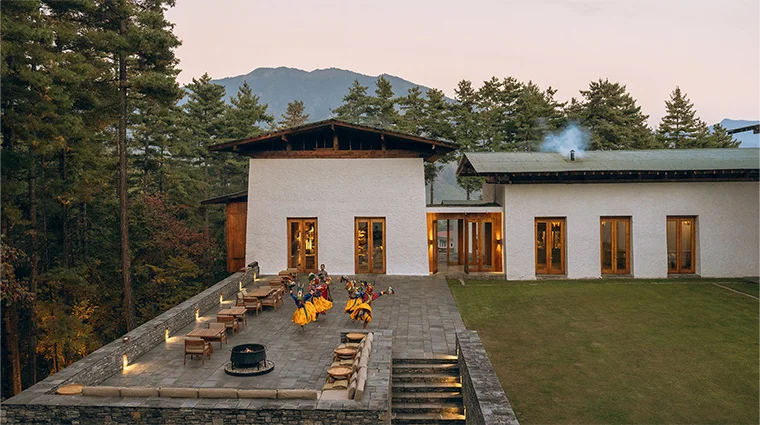
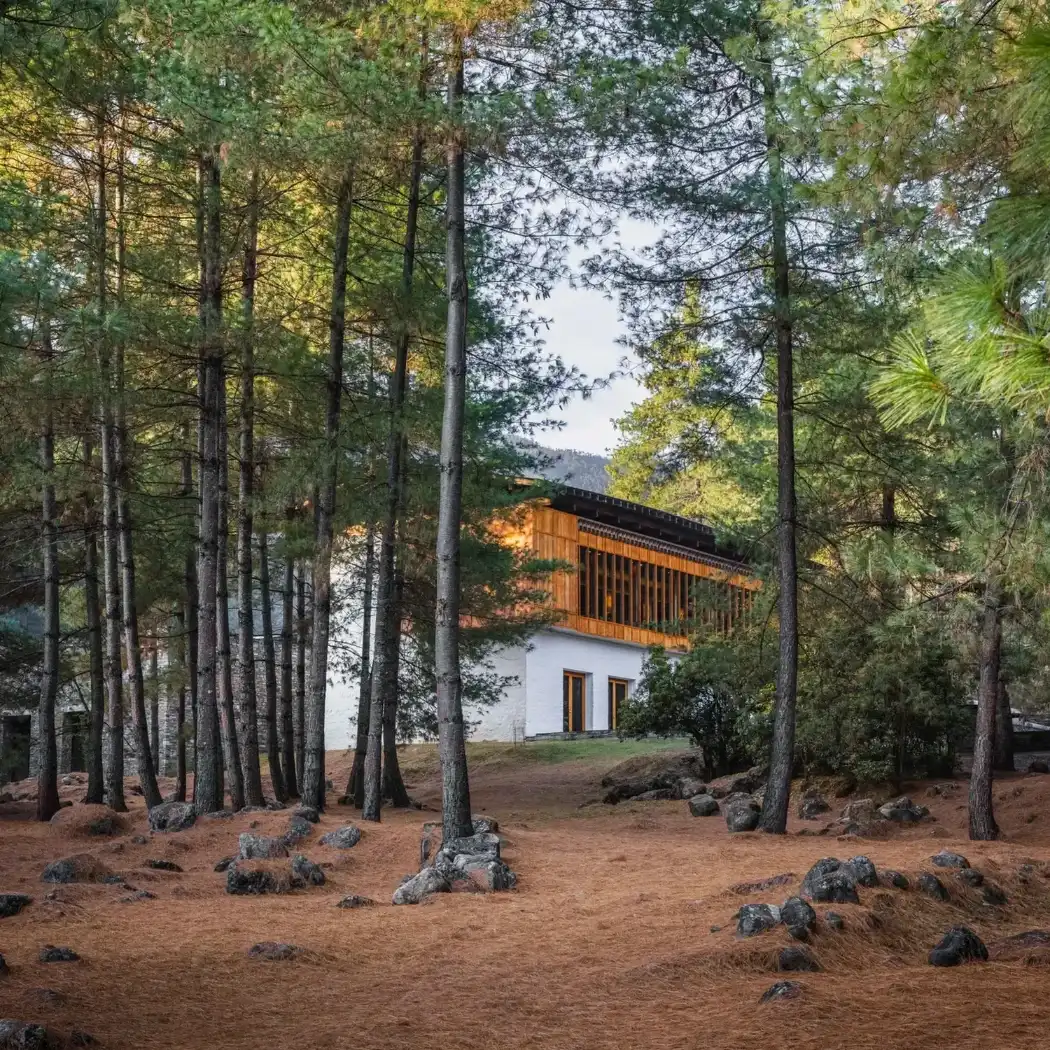
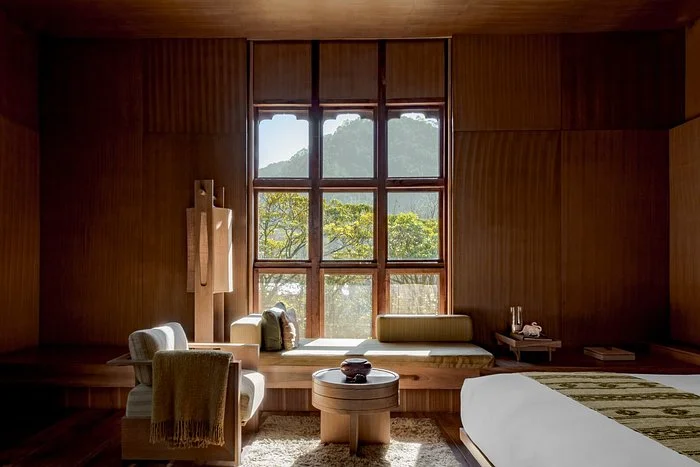
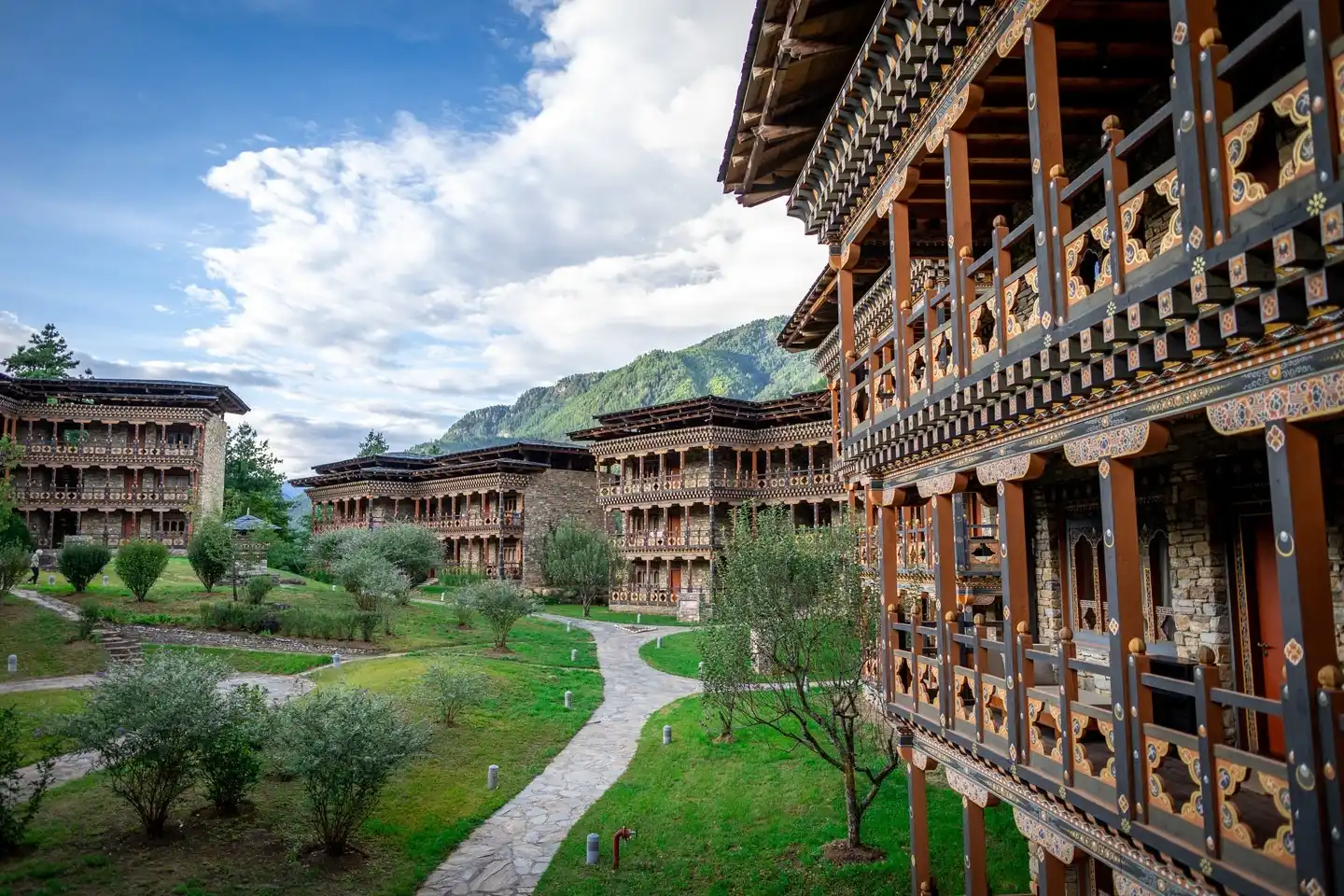
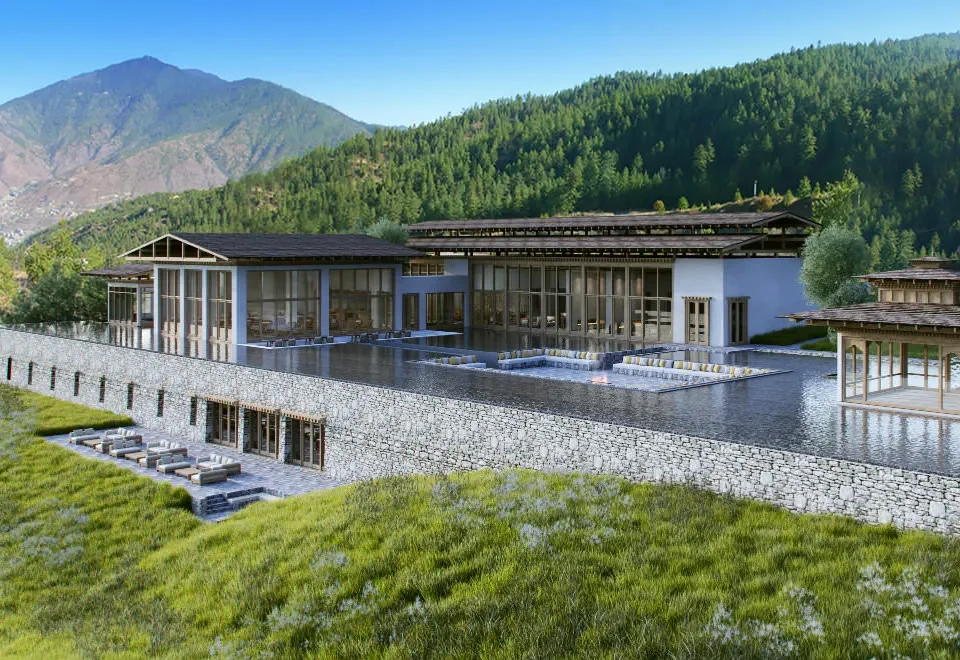
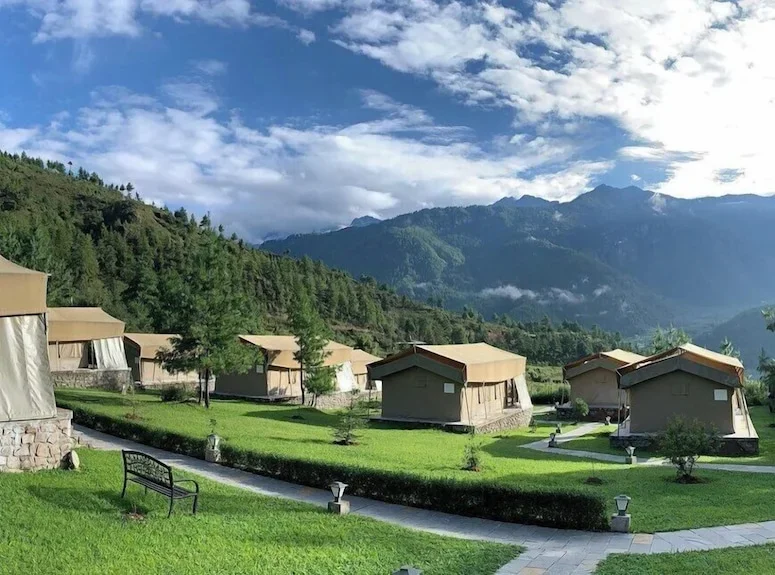
Aman Thimphu, part of the Amankora circuit, offers a serene retreat nestled within the Bhutanese capital. This lodge transcends mere accommodation, serving as a tranquil sanctuary where guests can immerse themselves in the kingdom's profound spirituality. Its minimalist architecture, characterized by clean lines and natural materials, harmonizes with the surrounding pine forests and the vibrant tapestry of Thimphu life. Visitors experience an intimate connection to Bhutanese culture through curated excursions, ranging from meditative hikes to ancient monasteries to vibrant market explorations. The lodge’s understated luxury and attentive service ensure a deeply reflective and rejuvenating stay, aligning perfectly with Bhutan's ethos of Gross National Happiness. Here, the emphasis is on peaceful contemplation and an authentic discovery of the Himalayan spirit.
Chimi Lhakhang
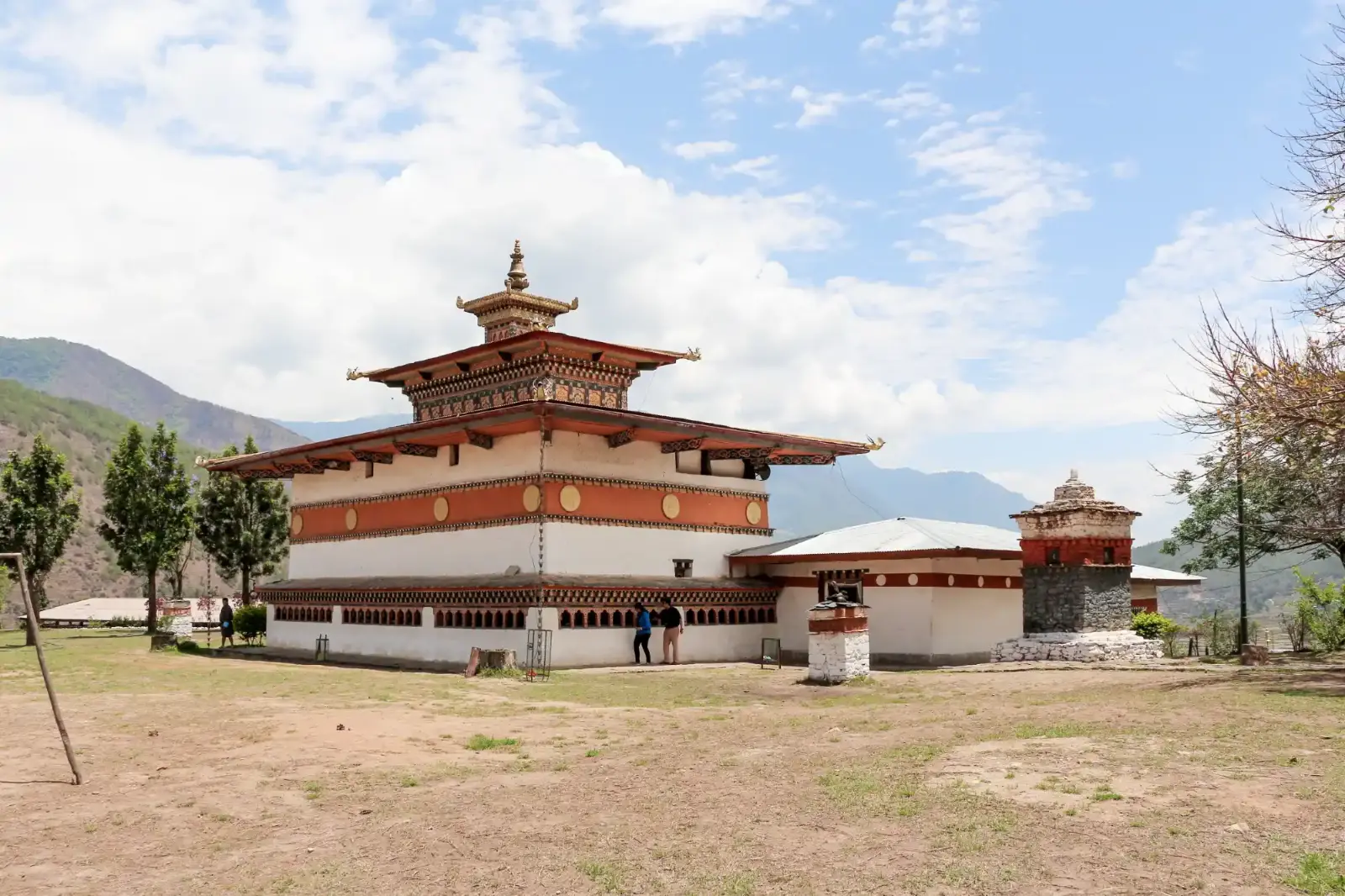
Nestled amidst verdant rice paddies and overlooked by prayer flag-strewn hills, Chimi Lhakhang offers a unique pilgrimage to the “Temple of Fertility” in Punakha. This 15th-century monastery, founded by the eccentric and revered Lama Drukpa Kunley, known as the "Divine Madman," is a beacon of ancient beliefs. Visitors journey through a picturesque village before ascending to the temple, where they are blessed with a wooden phallus and a bow and arrow—symbols of fertility and protection. The atmosphere is one of serene reverence, tinged with curiosity, as prayer wheels spin gently and the distant chanting of monks punctuates the quiet. This experience provides an intimate glimpse into Bhutanese spiritual practices and their deep connection to everyday life.